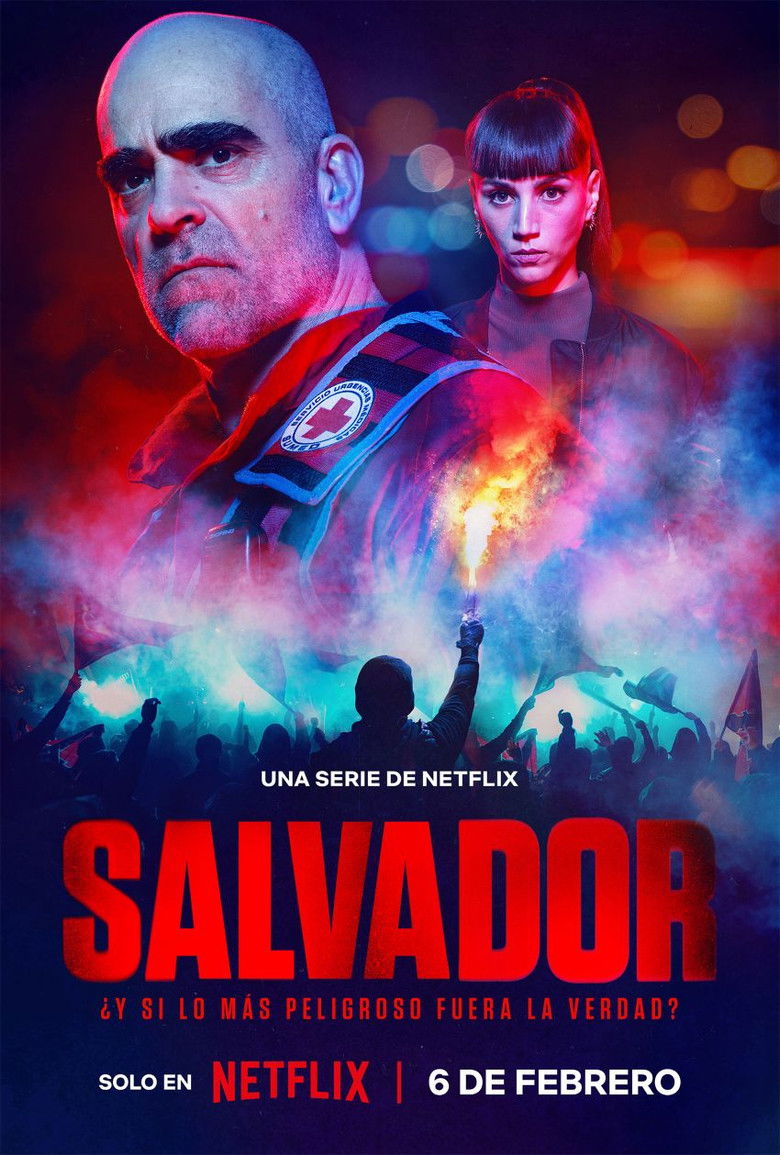
Salvador
Genres: Drama, Mystery, Crime, Thriller
Cast
- Cast member 1
- Cast member 2
- Cast member 3
- Cast member 4
- Cast member 5
- Cast member 6
- Cast member 7
- Cast member 8
- Cast member 9
Your Status
Salvador

Where to Watch
subscription

Overview
After a brutal clash between rival football ultras, an ambulance driver pulls his injured daughter from the chaos—only to face the shock of her ties to an extremist group whose racist, violent beliefs oppose everything he taught her. As tensions spread through the city, he’s drawn into a dangerous world of radicalisation, guilt, and hard choices.
Insights
Review Summary
Pros: gripping, fast-paced tension; timely social themes; strong emotional core | Cons: heavy-handed dialogue; uneven supporting cast; stretches believability
Will You Like This?
You’ll likely enjoy this if you want an intense, uncomfortable drama about extremism, family fallout, and corruption with plenty of momentum; Not for you if you avoid harsh violence or politically charged stories like Muted or The Minions of Midas.
My Friends' Ratings
None of your friends have rated this yet.
Your Progress
You haven't started watching this show yet. Click "Update" Progress to track your progress.
Latest Episodes
All Episodes
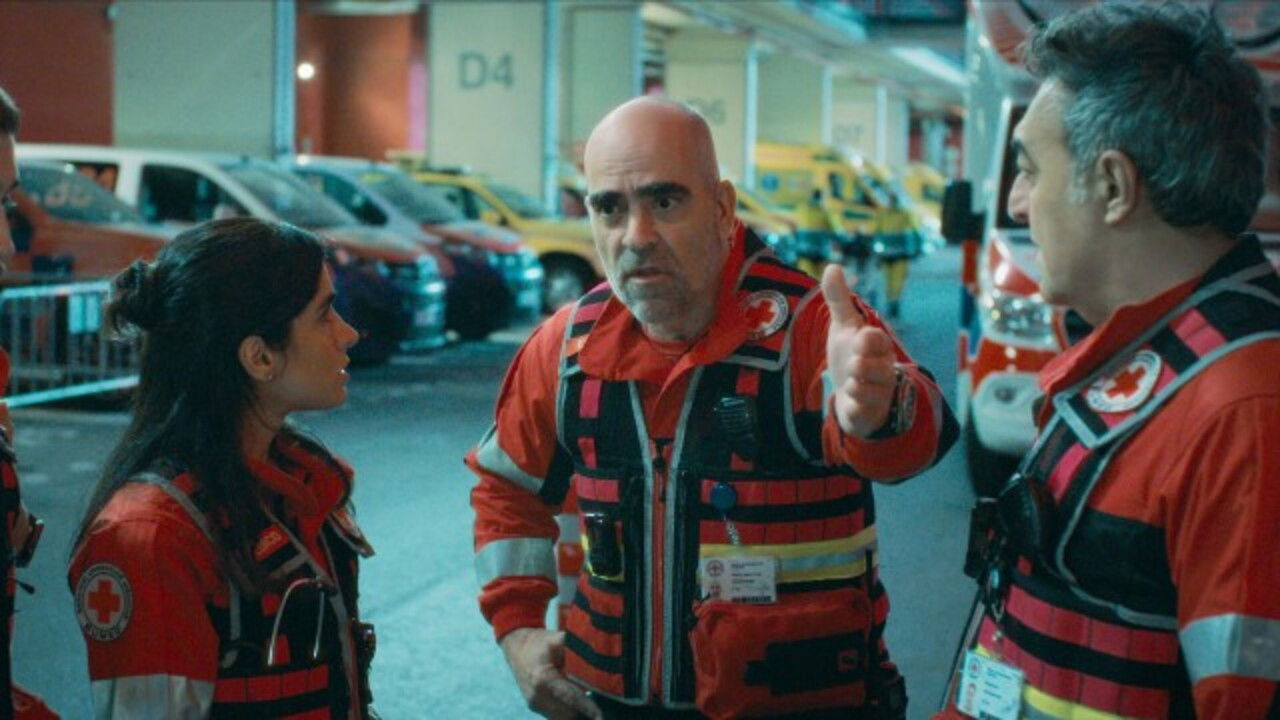
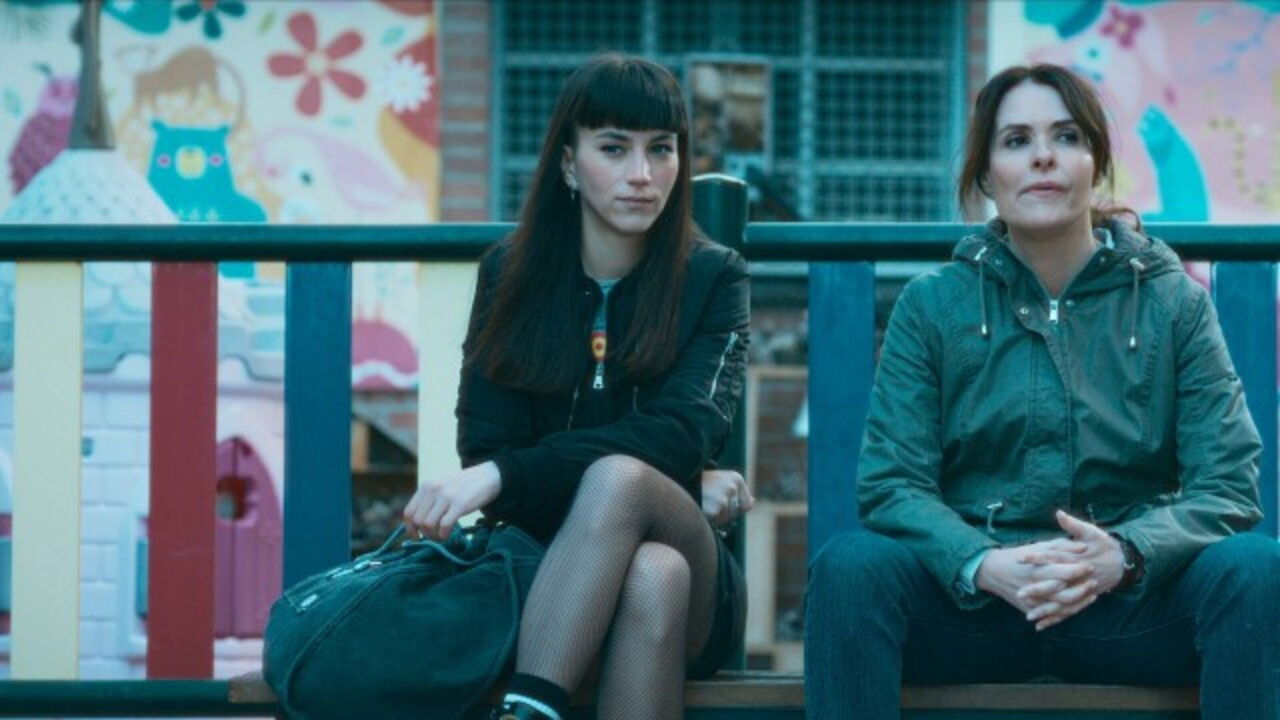
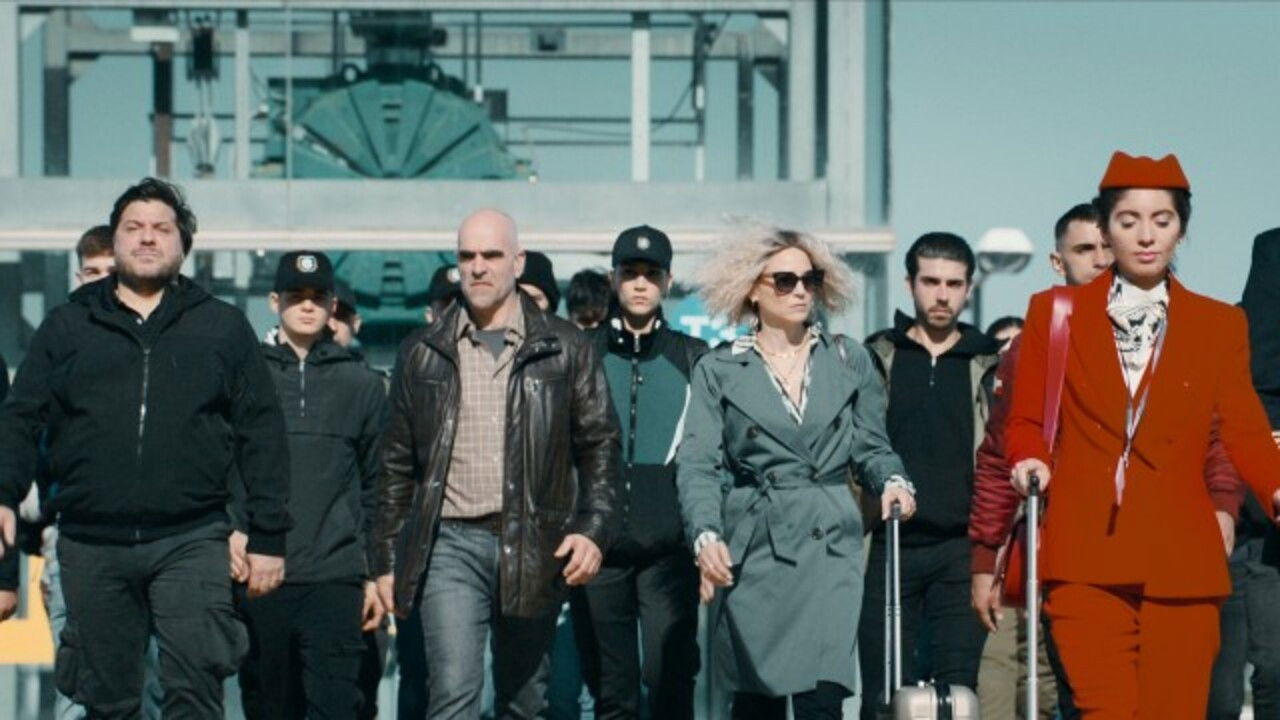
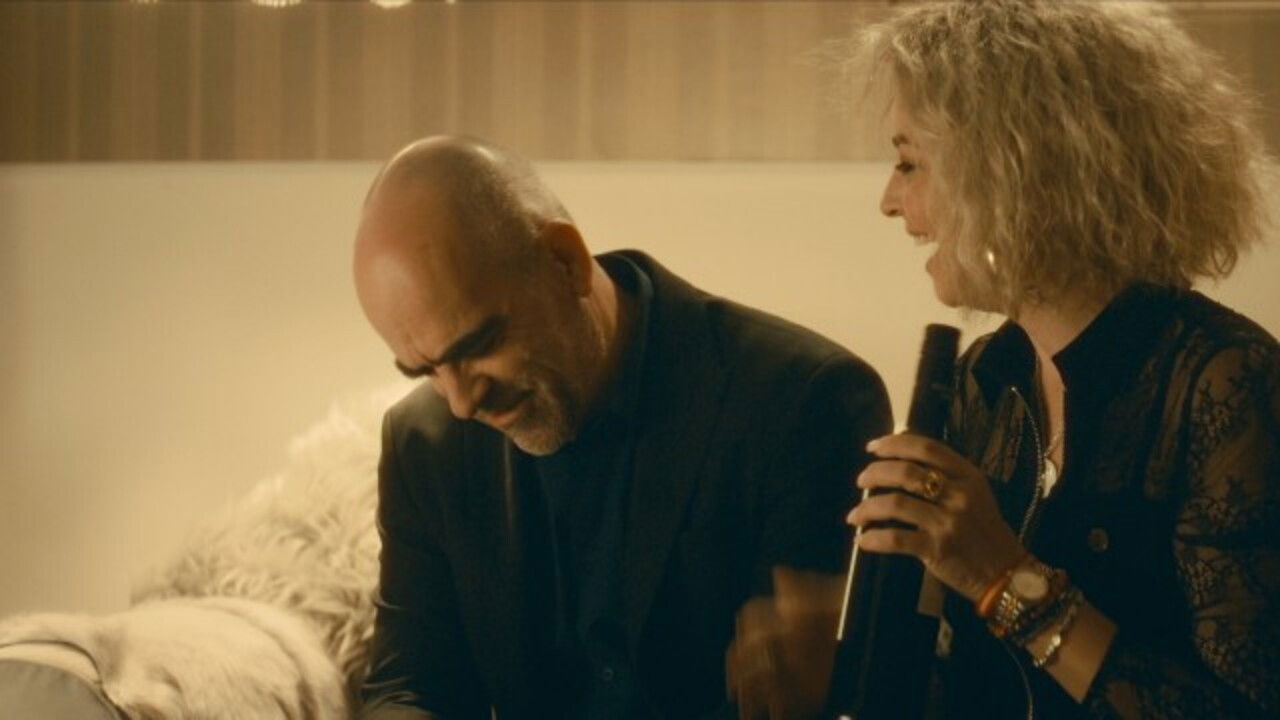

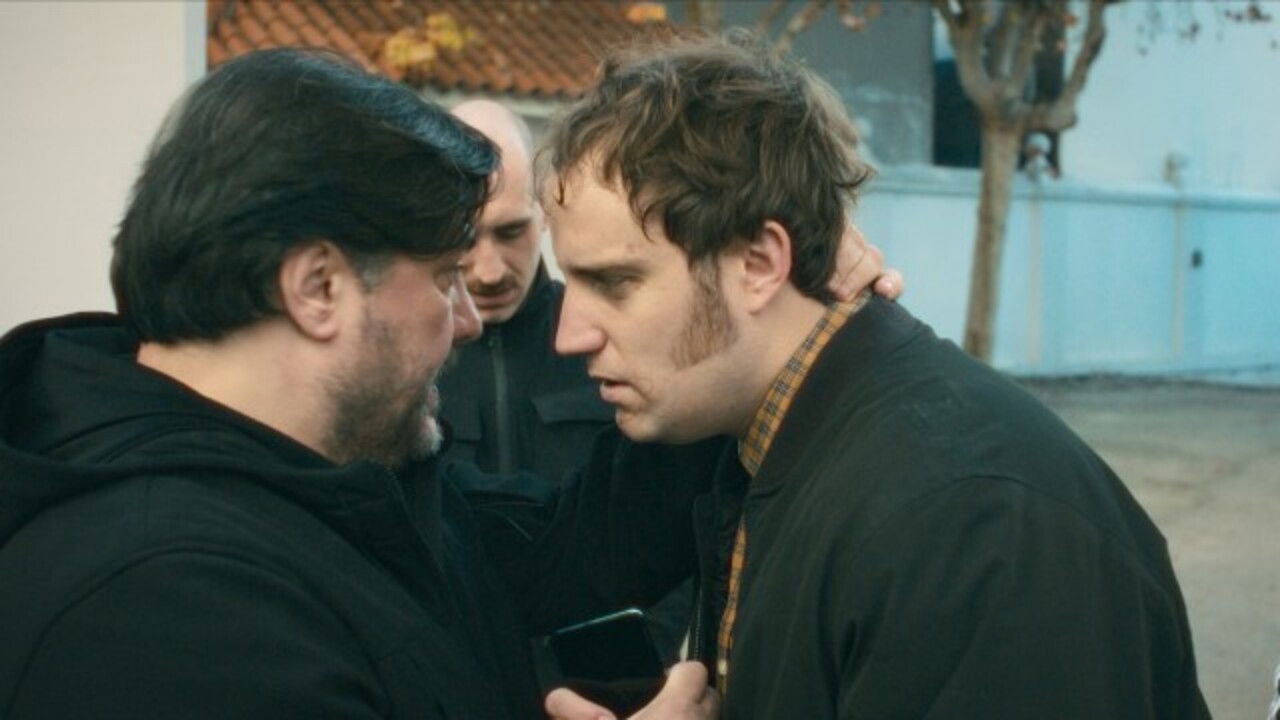

Cast
Full Cast & CrewFeatured Comments/Tips
I feel kinda played lol. Despite it being engaging and entertaining at most times, it's a show with identity crisis. It doesn't know what it is. You think it's a crime show, then you blink once and it's a grieving father drama. You blink again and it's a police corruption and politics show. The next minute it turns to a show about political ideologies. Of course we also have to mix incels in our of nowhere. The description of the show is highly inaccurate, Salvador didn't infiltrate the gang, they lured him in and he went in voluntarily. There's also no investigation of Milena's murder. And in the final 2 episodes it turns to absolutely craziness. I guess the big picture here is that the powerful guys always find means to manipulate vulnerable people for their own interests making them believe that they are in charge when in reality they are the most easily replaceable players. Luis Tosar's performance is amazing from start to finish though and it totally elevates the quality of the show.
I’ve just finished watching the first episode, and while it’s undeniably intense and well-acted, I’m struggling with the world it’s asking me to believe in. I’ve been living in Madrid for 18 years, and the way the city is portrayed here feels exaggerated to the point of distortion. The escalation of violent acts by the same extremist group, all within what seems like a very short timeframe and with no visible institutional response, stretches credibility for anyone familiar with the city. It’s Madrid, for fuck’s sake, not Gotham. Luis Tosar is compelling, as always, and he anchors the emotional weight of the episode. But the series seems unsure whether it wants to be a grounded crime drama, a political thriller, or a character study of grief and radicalization. Right now, the tone feels scattered rather than layered. I’m curious to see whether it tightens its focus in the next episodes, because the premise has potential, but it needs stronger internal logic to fully work.
It's a roller coaster ride between soccer violence, far right Neo-Nazis, the police and innocent bystanders. Salvador after his daughter's murder Doggedly tracks down what happened and sways between the believe in the White Soul's and the good they try to do and the violence and anarchy the use to manipulate the people of Madrid. It's a little overlong but well worth a watch as the true story rises from the deceit and lies. 👍
Featured User Reviews

There are shows you watch and forget, and then there are the ones that force you to look straight at what’s happening on your own doorstep. Salvador belongs to the second group. It unfolds in a recognizable Madrid, where neo-Nazi gangs are not comic-book villains but the ugly outcome of a mix of precarity, top-down hate and a lot of impunity. At times it hurts more for what it reminds you of than for what it actually shows. The series works best when it forgets about preaching and focuses on the anatomy of radicalisation: young people with no prospects, broken families, leaders selling belonging in exchange for blind obedience. The truth is that Salvador is quite sharp there: it doesn’t whitewash the Nazis, but it doesn’t turn them into monsters from another planet either. They’re human, and that’s exactly why they’re more frightening. The writing understands how hate is sold as a quick fix for lives that are going wrong for very different reasons. Luis Tosar builds a shattered but believable lead, dragging guilt and anger in equal measure, and Claudia Salas steals every scene she’s in, embodying a generation hijacked by narratives that promise strength while only providing new chains. The rest of the cast is more uneven, but overall they hold together a plot that grows with each episode, especially when judges, businessmen and politicians enter the picture and you see who is really pulling the strings. On a visual level, Daniel Calparsoro leans into his trademarks: handheld camera, chases, sirens and physical tension. Sometimes he overdoes it and a few situations stretch plausibility, but the style fits the idea of a city on the verge of exploding. It’s not a subtle show, and some moments feel a bit too engineered for impact, but the tension is there and it works. Where the series is most uncomfortable —and most necessary— is in its portrait of the ecosystem that feeds these groups: media amplifying lies, elites funding chaos while presenting themselves as “order”, institutions looking away until it’s too late. That’s where many of those one-star reviews stop being criticism and become self-defence: they don’t question the script, they question being called out. Salvador is not perfect, but it’s honest about what it wants to expose. It doesn’t always balance action and reflection well, and some dialogue comes in with a sledgehammer, but as an X-ray of organised hatred in today’s Spain it’s far more serious than its detractors are willing to admit. One of those shows that upset people precisely because they hit too close to home.
You might also like...
Rojo
2018

The Prince
2014

Toy Boy
2019

Frontera Verde
2019

Criminal: Spain
2019
Stolen Away
2020
Liar
2020

The Girl in the Mirror
2022

The Marked Heart
2022

42 Days of Darkness
2022
Intimacy
2022
You Would Do It Too
2023
Sky High
2023

Gangs of Galicia
2024
Bank Under Siege
2024
Caught
2025

Matices
2025

The Crystal Cuckoo
2025
Innato
2025
Blind Sherlock
2026
The Minions of Midas
2020

The Snow Girl
2023
Muted
2023
The Asunta Case
2024
Two Graves
2025