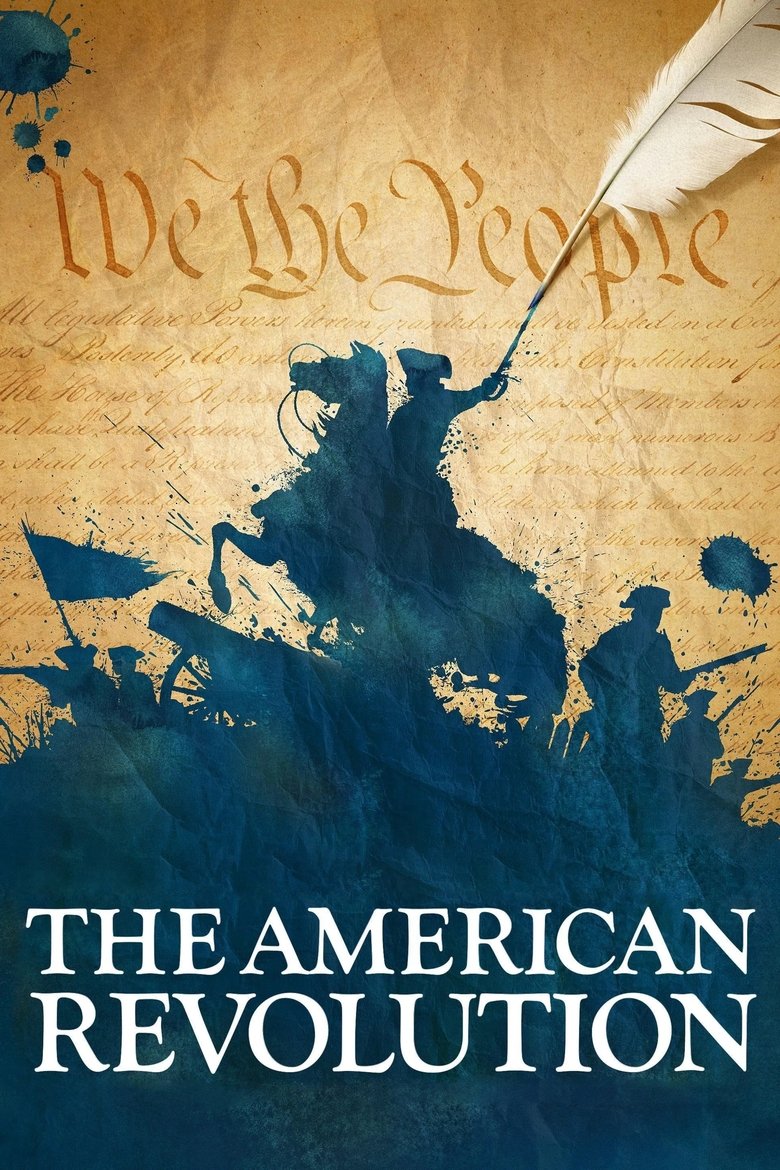
The American Revolution
Explore a multifaceted war shaping a nation, ideal for history buffs and fans of epic historical dramas like "John Adams."
Genres: Documentary, War & Politics, History, War
Cast
- Cast member 1
- Cast member 2
- Cast member 3
- Cast member 4
- Cast member 5
- Cast member 6
- Cast member 7
- Cast member 8
- Cast member 9
- Cast member 10
Your Status
The American Revolution





Overview
This documentary series explores the American Revolution as more than a fight for independence, showing it as a civil conflict and a global struggle that reached far beyond the colonies. It follows the era’s upheaval across regions and communities, highlighting the human stakes of victory and defeat as a new republic takes shape.
Insights
Review Summary
Pros: informative and wide-ranging; multiple perspectives included; strong visuals | Cons: pacing feels uneven; focus can feel scattered; perceived political slant
Will You Like This?
You’ll likely enjoy this if you want a sweeping, idea-and-conflict-driven history that includes uncomfortable chapters and many viewpoints, similar in spirit to The Civil War; Not for you if you want a tight, purely battle-focused, or consensus-friendly retelling.
My Friends' Ratings
None of your friends have rated this yet.
Your Progress
You haven't started watching this show yet. Click "Update" Progress to track your progress.
Latest Episodes
All Episodes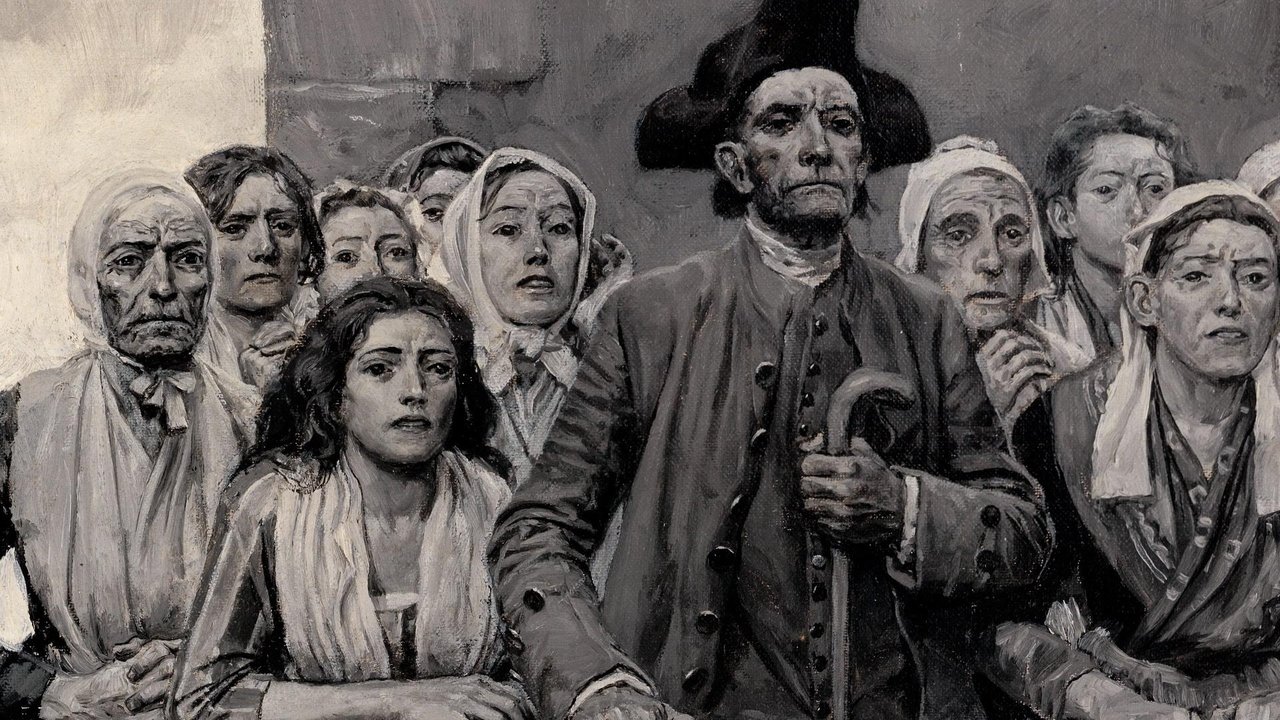
S1E1: In Order to Be Free (May 1754 – May 1775)
November 15, 2025
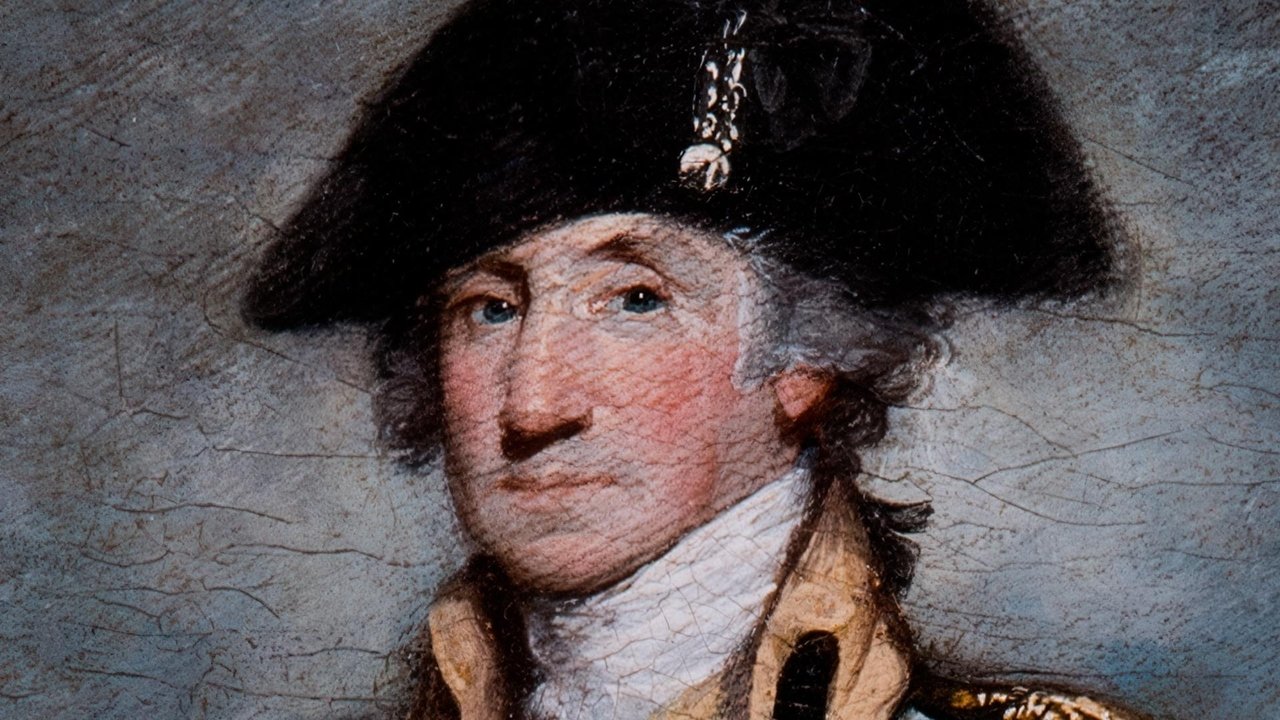
S1E2: An Asylum for Mankind (May 1775 – July 1776)
November 16, 2025
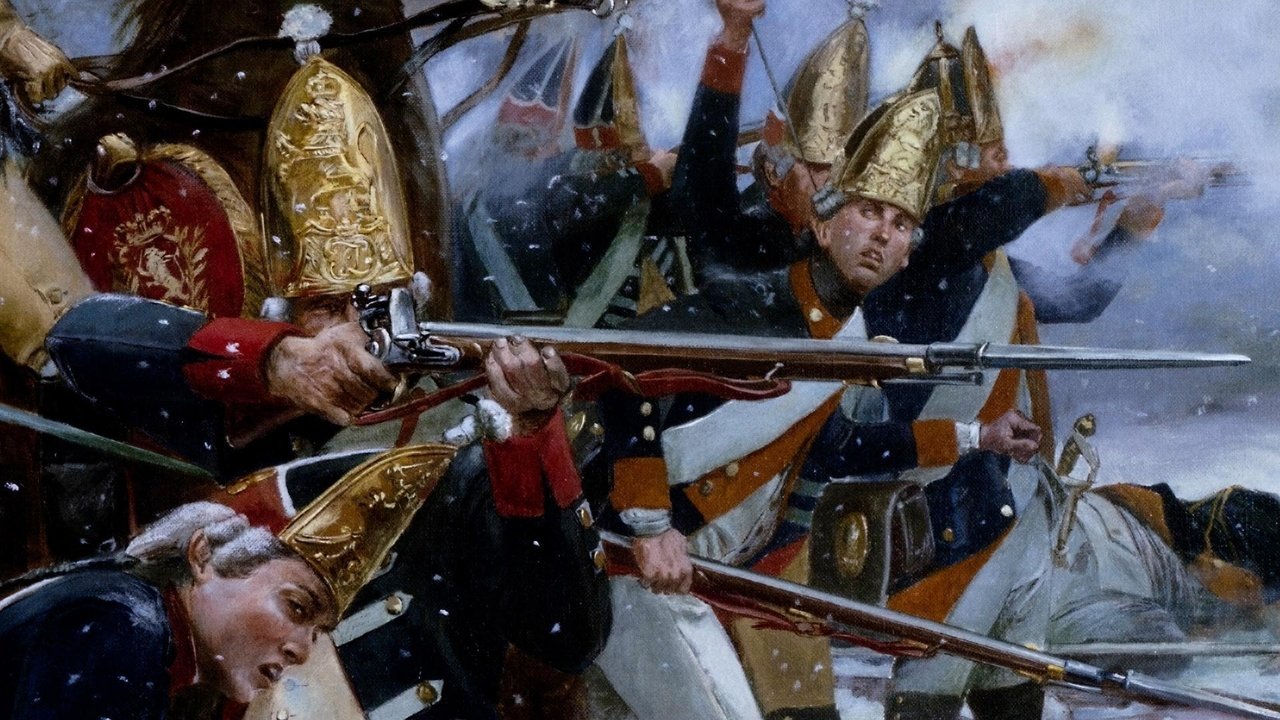
S1E3: The Times That Try Men's Souls (July 1776 – January 1777)
November 17, 2025
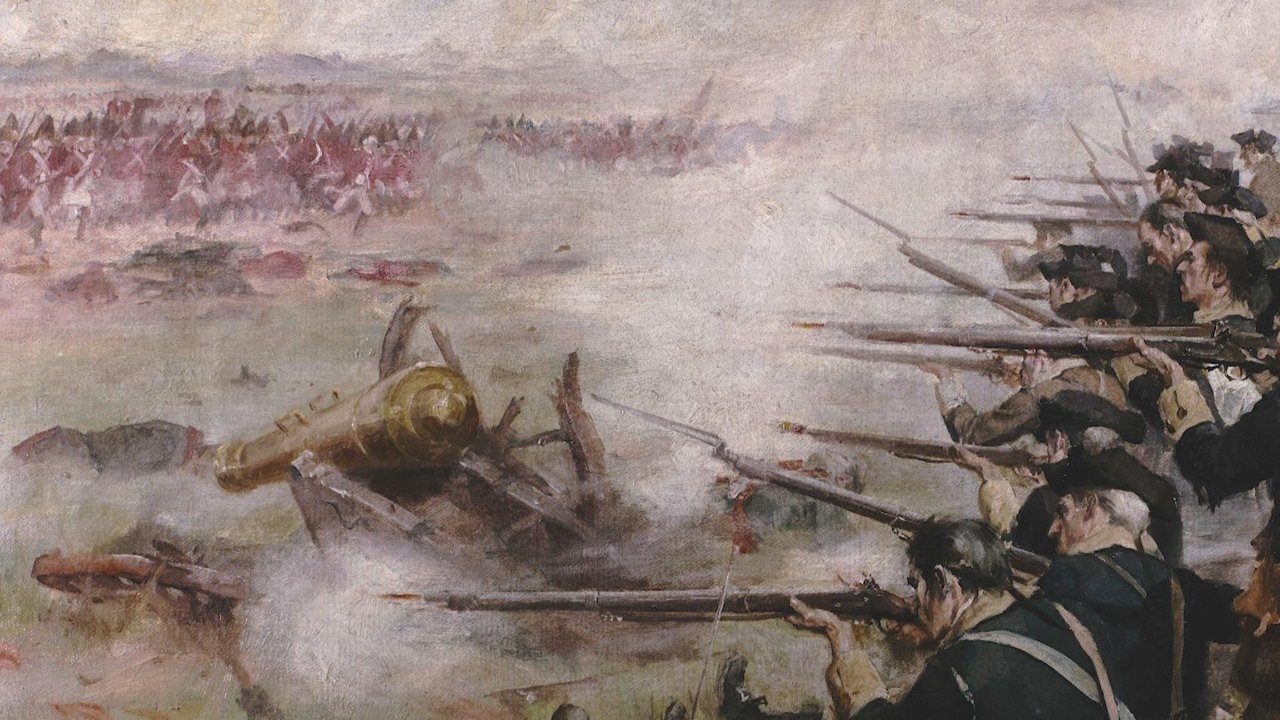
S1E4: Conquer by a Drawn Game (January 1777 – February 1778)
November 18, 2025
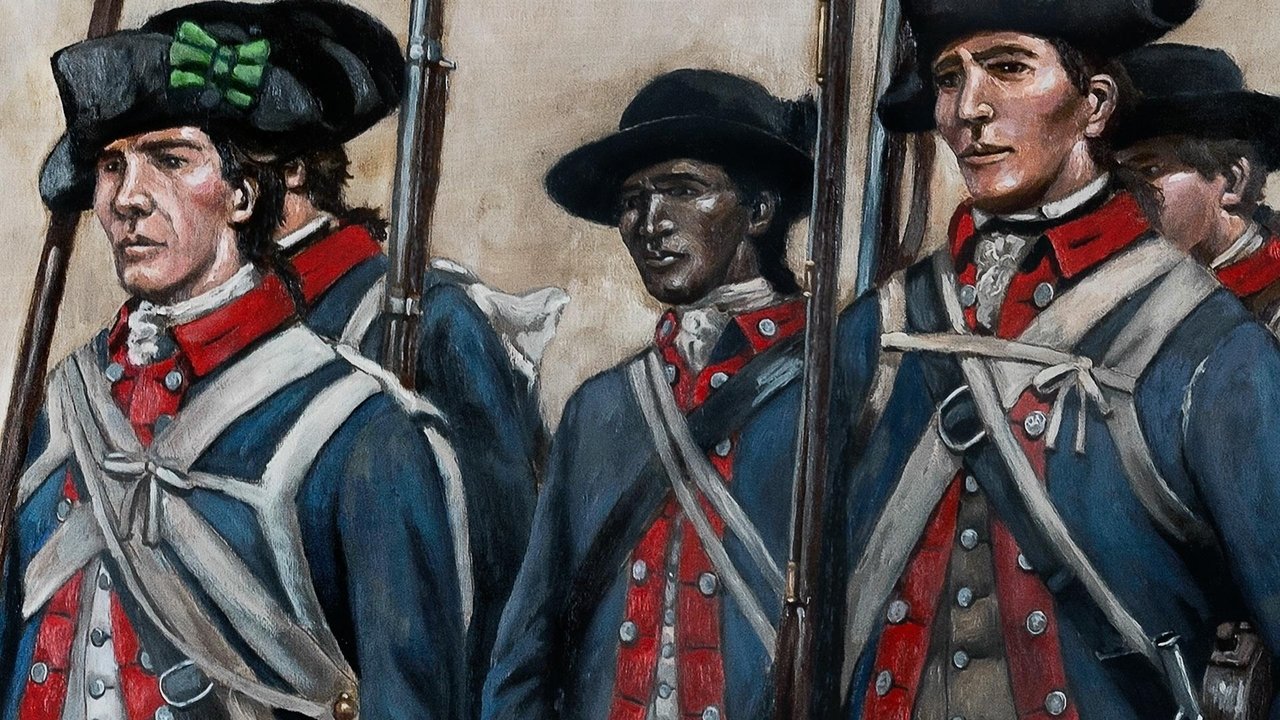
S1E5: The Soul of All America (December 1777 – May 1780)
November 19, 2025
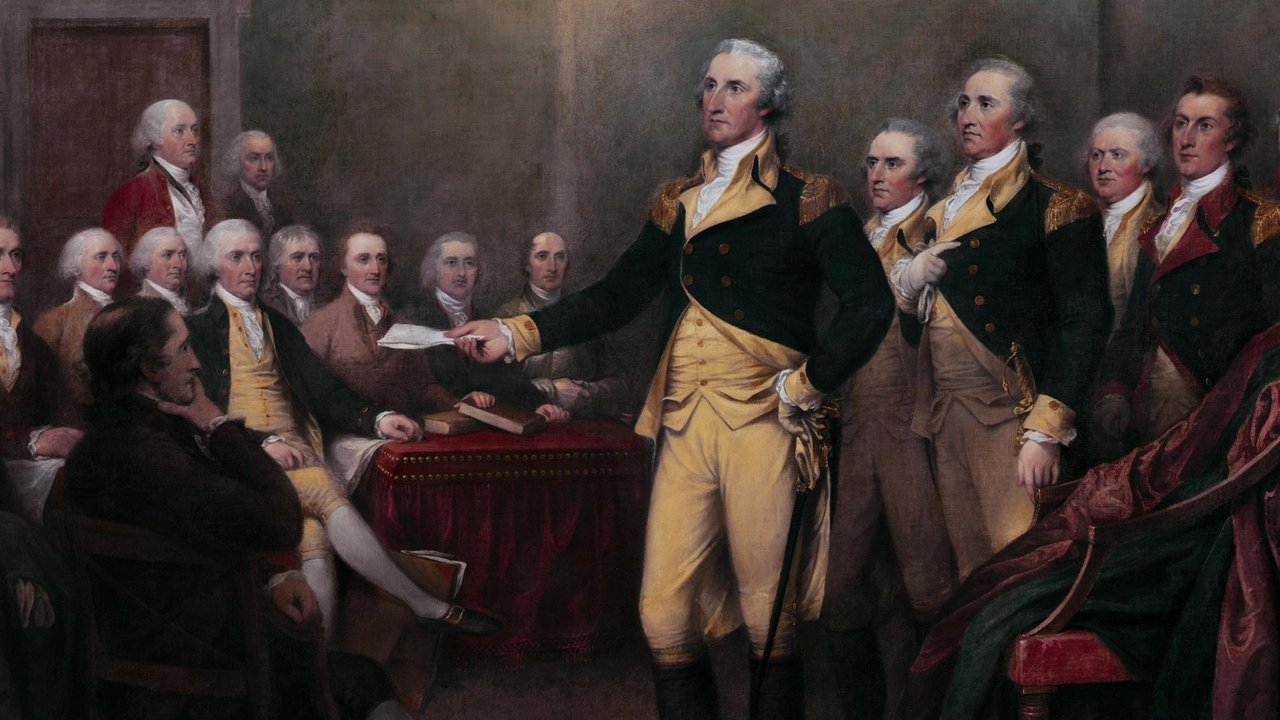
S1E6: The Most Sacred Thing (May 1780 – Onward)
November 20, 2025
Cast
Full Cast & CrewPeter Coyote
Self - Narrator (voice)
Adam Arkin
James Parker / Ashbel Green / Andre...
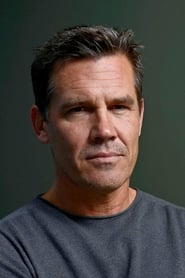
Josh Brolin
George Washington (voice)
Josh Charles
Joseph Warren / John Peters / David...
Hugh Dancy
Hugh Percy / John Burgoyne / Banast...

Claire Danes
Abigail Adams (voice)
Marcus Davis-Orrom
John Barker / William Bamford (voic...
Alden Ehrenreich
Joseph Plumb Martin (voice)
Craig Ferguson
John Murray / John Jones / John Pur...

Paul Giamatti
John Adams (voice)
Amanda Gorman
Phillis Wheatley (voice)
Charlotte Hacke
Friederike Riedesel / Hannah Davis ...
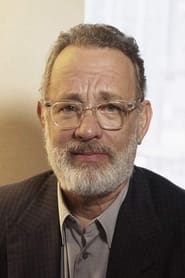
Tom Hanks
(voice)

Ethan Hawke
Anthony Wayne / John Andrews (voice...

Maya Hawke
Betsy Ambler (voice)
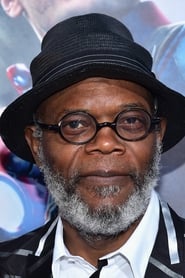
Samuel L. Jackson
Caesar Sarter / Lemuel Haynes / Bos...

Joe Keery
John Greenwood (voice)

Kenneth Branagh
voice
Joel Kinnaman
Samuel Seabury / Nils Collin / Thom...
Featured Comments/Tips
None of your fellow streamers have left comments/tips yet.
Featured User Reviews

The new Ken Burns documentary is a very Ken Burns documentary. It at times asks Americans to question the history of the Revolution (or War of Independence, as I’d call it) but, in turn, reinforces cherished myths. I think it leans more to the former than the latter, which is a good thing. It is only six episodes but it is 12 hours long, so it is a bit of a commitment. Like all, or nearly all, of Burns’ projects, I think its worth it. My father is American and I grew up with his toys, his books and his movies. Though I naturally developed an anti-American attitude from living here in Canada, I also grew up with some idea of American exceptionalism, at least in the past, and particularly when it came to war. Though I was always more of a Civil War/WWII guy, I had books about the Revolution/War of Independence, and read them many times as I read the other books. I know the names of most of the major battles and I know the broad strokes. But, over time, I learned more. At some point, the Canadian in me triumphed and I stopped thinking about American military history in a childish way. I read histories of the US that told somewhat different stories. And recently, funnily enough, I found myself Alan Taylor’s histories of this era, the era before it, and the era immediately after. (Taylor is one of many historians in this show.) I know the version of the Revolution/War of Independence I grew up with was not correct. But I do wonder how many Americans know that. This show does a good job of telling a good version of the Revolution/War of Independence. There is a fair amount of time spent on the grievances, and how legitimate they may or may not have been, as well as Britain’s many own goals in the decade leading up to the Declaration of Independence. Where it excels most is how it explains how much of a civil war the Revolution actually was. This is a major focus of the documentary but, as far as I know, was not a major focus for most Americans’ education about the Revolution. It also does a pretty good job of situation the war in a more global context. (Though not as good as Taylor does in his book. If you’re interested, I strongly recommend reading it.) There is awareness of the rest of the world, something the books I read as a child basically didn’t acknowledge when telling the story. There is also more about the post-Yorktown time than an older documentary about the Revolution might have included. And it does a pretty good job of the roles played by Native Americans, African Americans and, to a lesser extent, women. Certainly, I didn’t know a lot of this or wouldn’t have known a lot of it without reading Taylor’s book. There are still moments that are very Burnsian in their celebration of American myths. There are fewer of them than I remember from The Civil War (which I haven’t watched in a while, but which I’ve seen twice) or The War but they are still here and there. He cannot help himself. (He is an American after all.) And I think the decision to do six 2 hour episodes is maybe not the greatest pacing decision. But this is something I’m interested in so I didn’t mind it. I do want to acknowledge the final episode. The first half is about the final campaigns in the south and Yorktown. The second half is about peace, the loyalists and, eventually, the failure of the first version of The United States, though this is treated briefly. (This is, by no means, an authoritative version of the post-Revolution era.) But, if you have ever had any questions about Burns’ politics, especially after the freakout about taking Koch money, Burns and his collaborators make their politics clear. Both in Coyote’s narration and in the quotes they use in the final moments, this documentary becomes explicitly anti-Trump and anti-MAGA. It should be, of course, but they could have also chose not to do it or they could have been more subtle. It is not subtle. In fact, the final quote from Benjamin Rush is basically a call for resistance. Just figured I’d mention it in case you don’t want this.
It's clear some are upset with facts presented clearly and concisely. Another smashing success from Mr. Burns.
Americans that absolutely despise themselves, their history, their fair skin, and their country should not make a 'documentary' about how America started. It will never be factual or even fair. This TV show proves they will never be unbiased, in fact, quite the opposite. So I agree with the other reviewer, GenerationOfSwine. This is utter horsesh*t and laughable. I'm not even American by birth and I noticed several glaring omissions from the makers of this crap. It's the typical self-loathing and customary screeching we've all come to expect from PBS.
Very informative! There was so much I didn't know. It gives a real sense of feelings and motivations that I didn't gleam from textbooks and lectures in school. And with quite a cast to read quotes from history! I highly recommend this to anyone who wants a better understanding of how America started.
A lot of it is actually pretty good... and then you get to the 1619 Revisionist history BS. The Native Americans inspired American democracy not the Greeks who the Founding Father's cited multiple times. Then slavery slavery slavery, evil white people, the American Revolution was about colonizing America and not shaking off it's colonial rulers. By the time you're done with it, you realize that he wasn't making a documentary, he was using the American Revolution to push far left revisionist propaganda.
You might also like...
Into the Arms of Strangers: Stories of the Kindertransport
2000
Apollo 11
2019

For Sama
2019
The Food That Built America
2019
The Automat
2021
Finding Your Roots
2012
Nazi Mega Weapons
2013
Prehistoric Planet
2022
Benjamin Franklin
2022
FDR
2023
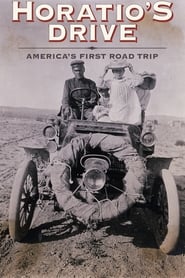
Horatio's Drive: America's First Road Trip
2003
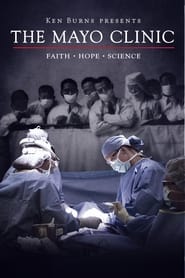
The Mayo Clinic, Faith, Hope and Science
2018
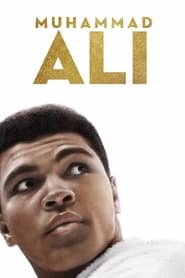
Muhammad Ali
2021
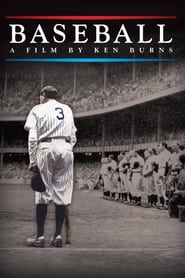
Baseball
1994
Cosmos: A Spacetime Odyssey
2014

Jazz
2001
Prohibition
2011
The Civil War
1990
The Dust Bowl
2012

The National Parks: America's Best Idea
2009
The Roosevelts: An Intimate History
2014
WWII in HD
2009
Country Music
2019
The U.S. and the Holocaust
2022
Leonardo da Vinci
2024